

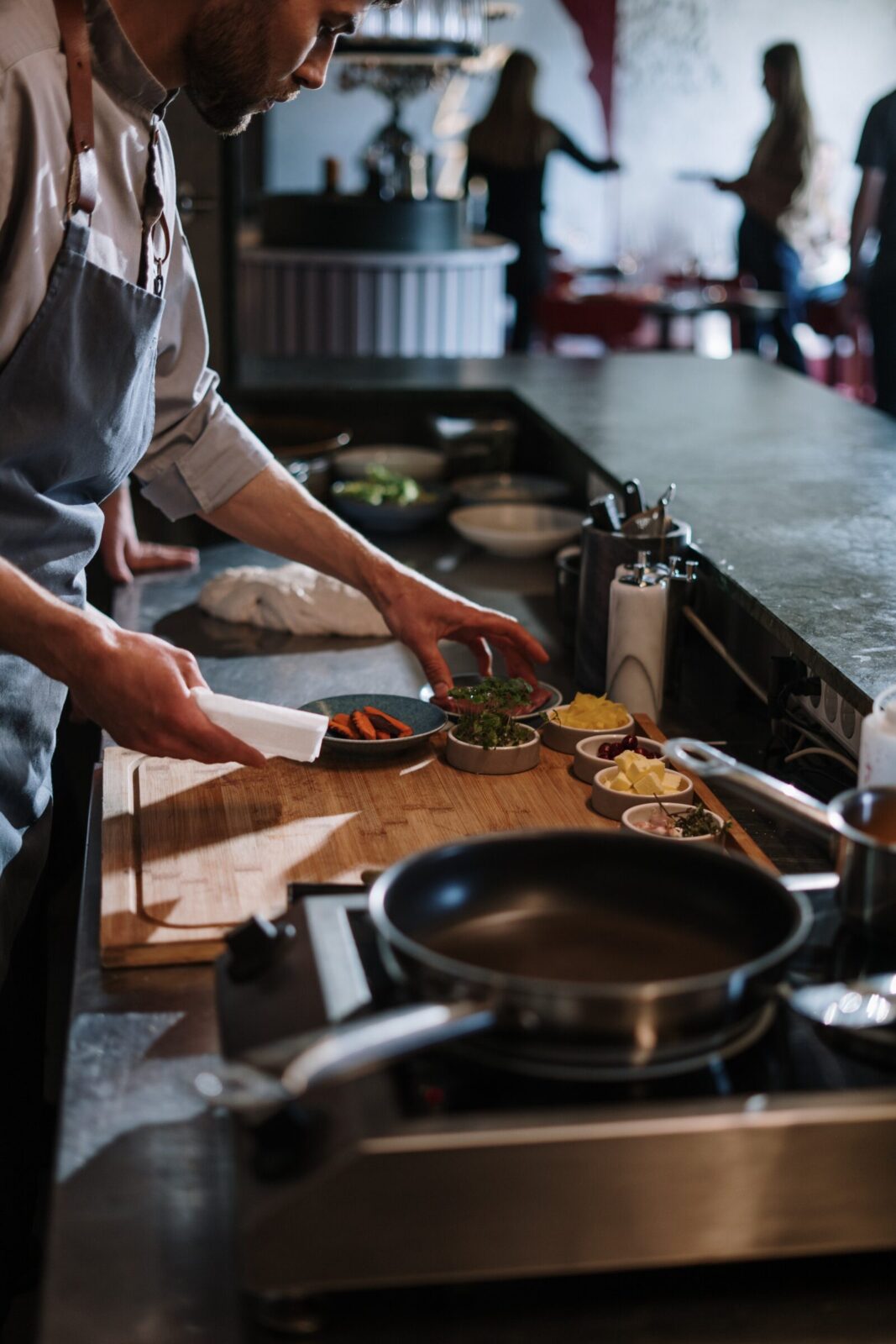
Kitchen Hierarchy: The Different Types of Chefs & their Titles
The kitchen hierarchy in a professional restaurant setting is paramount for effective and successful cooking. At the top of the chain is the Executive Chef, also referred to as the Head Chef, who is ultimately responsible for all that happens within the four walls of a kitchen.
They are in charge of controlling and overseeing all day-to-day operations in the kitchen and they always have their eye on budget management, sourcing ingredients, and training and development of their team members.
From here we move down to Sous Chefs (or Deputy Chefs). These are second-in-command chefs who assist the Executive Chef with managing daily tasks across all food preparation stations.
They are responsible for delegating duties between staff members depending on their preferences or expertise, as well as creating menus and managing related costs and customer service needs such as special dietary requests.
Further down the chain, you will find Commis Chefs; these individuals are entry-level chefs receiving training from more experienced personnel such as Sous Chefs before being promoted to senior-level positions.
Executive Chef
Executive chefs are at the very top of the kitchen management structure. They are very rarely found in small establishments, but rather only in larger establishments with multiple outlets.
These executive chefs are mainly responsible for the overall operation of these multiple outlets – they set goals and guide the staff toward success while maintaining a constant eye on costs, food quality, and customer satisfaction.
As such, even though they may have once been directly involved in cooking themselves, an executive chef’s modern-day role is mainly one of management.
The experience and knowledge expected from an executive chef is substantial; responsibilities such as big-picture strategy and product development come their way.
The details of day-to-day operations usually falls on their shoulders – supply chain management, labour relations, and budget control all need to be efficiently managed by an effective executive chef. Additionally, good interpersonal skills are required to properly lead, develop and motivate a team toward success.
Ultimately, executive chefs must be prepared for a multifaceted role that requires leadership abilities, creative thinking, and comprehensive knowledge of food handling practices.
Head Chef
As the culinary chief in a professional kitchen, the head chef has many crucial responsibilities. Chef de cuisine is traditionally the French term for this role, however, it is known universally as head chef.
Becoming a successful head chef takes years of experience, education, and often lengthy ladders of positions within the kitchen before one can be promoted to such a distinguished position.
The central activities associated with being a head chef range from organizing and managing the staff to controlling kitchen costs and creating menus. It’s up to the individual head chef how much active daily control they decide to keep over the kitchen but depending on the restaurant environment they could choose to delegate tasks such as overseeing and preparing meals down to sous chefs or other experienced individuals.
In general, when it comes to high-end cuisine, the executive chef must be able to give clear instructions as well as dedicate considerable time to seeking out high-quality ingredients from reliable suppliers. Above all else, effective communication between colleagues is crucial for any successful culinary team working under a head chef.
Sous Chef
The sous-chef is an essential role in any kitchen, acting as second-in-command and helping to actively manage the day-to-day running of the preparation and cooking of food. Their position translates literally to ‘under chef’ and they tend to be the hands-on person who often steps in for the head chef when needed, as well as filling in for the head chef if required.
In some smaller kitchens, there may not be a dedicated sous chef role; instead, responsibility for important tasks such as overseeing junior chefs is given to another more senior staff member.
Larger operations may have multiple sous chefs, often with qualifying titles such as executive or junior/senior designations that explain their precise roles within the kitchen hierarchy.
This means that a single kitchen can host several chefs under the supervision of one head chef – all working together to produce restaurant-quality dishes.

Aspiring head chef tips
Have Passion
Cooking is an art, and a talent that not every person is fortunate enough to possess. To become a successful chef, having passion for the craft of cooking is paramount.
In an industry dictated by opinion and critique, you must have the drive and devotion to put in the hard work necessary to stand out from the rest. As a chef, it is essential to stay open-minded and continue learning about new ingredients and methods of preparation so that your food is nothing short of extraordinary.
As someone in charge of a kitchen, there needs to be an incessant desire for excellence from everyone involved– from yourself all the way down to your line cooks. Instilling a love of cooking in every nook and cranny will lead not only to greater success but also immense satisfaction for you conscientiously seeing others’ growth as well as yours.
A career in cooking isn’t a stroll through a park on a Sunday afternoon- it sometimes requires gut-wrenching dedication and consistent effort if you want it to last. Food uniquely bridges different cultures together, unifying them under one collective expression: flavor!
A true chef understands they are privileged with this incredible opportunity so they strive day after day toward perfection rather than succumbing to complacency.
Learn From the Best
The world of chefs is an incredibly diverse one with those that specialize in a variety of different cuisines. These cooks will often spend years in culinary programs or attending culinary school to master the technique and hone their creative flair for food.
A chef can be a head chef or chef de cuisine, which involves overseeing the kitchen and its team of sous chefs and line cooks; or an executive chef who can manage all managerial tasks within the kitchen; or even individual station chefs such as sauciers and patissiers who are in charge of certain areas.
The culinary arts have been around for centuries, developed and altered by countless generations of individuals across the globe. From plating & presentation, methods of cooking & flavoring, cuisine style & taste – it is all determined by the creativity & passion of an individual head chef (or team) leading every kitchen.
Chefs must use their techniques to create authentic dishes that delight customers and strike a balance between flavor & creativity without over-stretching any limits. The artistry behind what a professional chef creates requires years upon years of dedication, training, and experimentation to perfect each dish they serve up!
Be Respectful
Respect is an important part of any working relationship, especially in the professional kitchen. No matter what your title or position, everyone deserves respect from their peers and colleagues.
This means treating everyone with kindness and courtesy, giving credit where it is due, and understanding that everyone has something to contribute. When everyone works together as a team with respect for one another’s skills and abilities, it creates a culture of collaboration and mutual support.
In addition to being respectful towards each other, showing respect for the food that you are preparing is also essential. Taking pride in your work, and following appropriate recipes and guidelines accurately to ensure the highest quality product for your customers is key.
Showing care for the ingredients you use helps to serve safe and delicious dishes that customers can enjoy with confidence. Respectful behavior also demonstrates professionalism both in the kitchen and out in the front-of-house operations, creating an atmosphere of trust with clients which helps strengthen relationships over time.
Kitchen life isn't a TV show!
When aspiring to be a head chef, it is important to keep in mind that reality does not always match up to the glamorous life viewers witness on television. While fame and recognition may sound tempting, few will ever make it as famous TV stars of the industry. As such, any aspiring head chef needs to remember why they got into this business in the first place.
Focus your energy on honing your craft and doing your utmost best. Such dedication will provide you with ample opportunities for self-fulfilment as you rise through the ranks as a professional chef.
Alongside developing your culinary skills, don’t forget to cultivate essential managerial qualities such as creative problem-solving and people management.
Take time out of each day to remind yourself of why you are committed to modern cooking techniques and professional kitchen etiquette in order to excel in the industry. With hard work and dedication, chefs will find themselves capable of taking on positions in high-end restaurants that fulfil both their passions and inspire them daily.
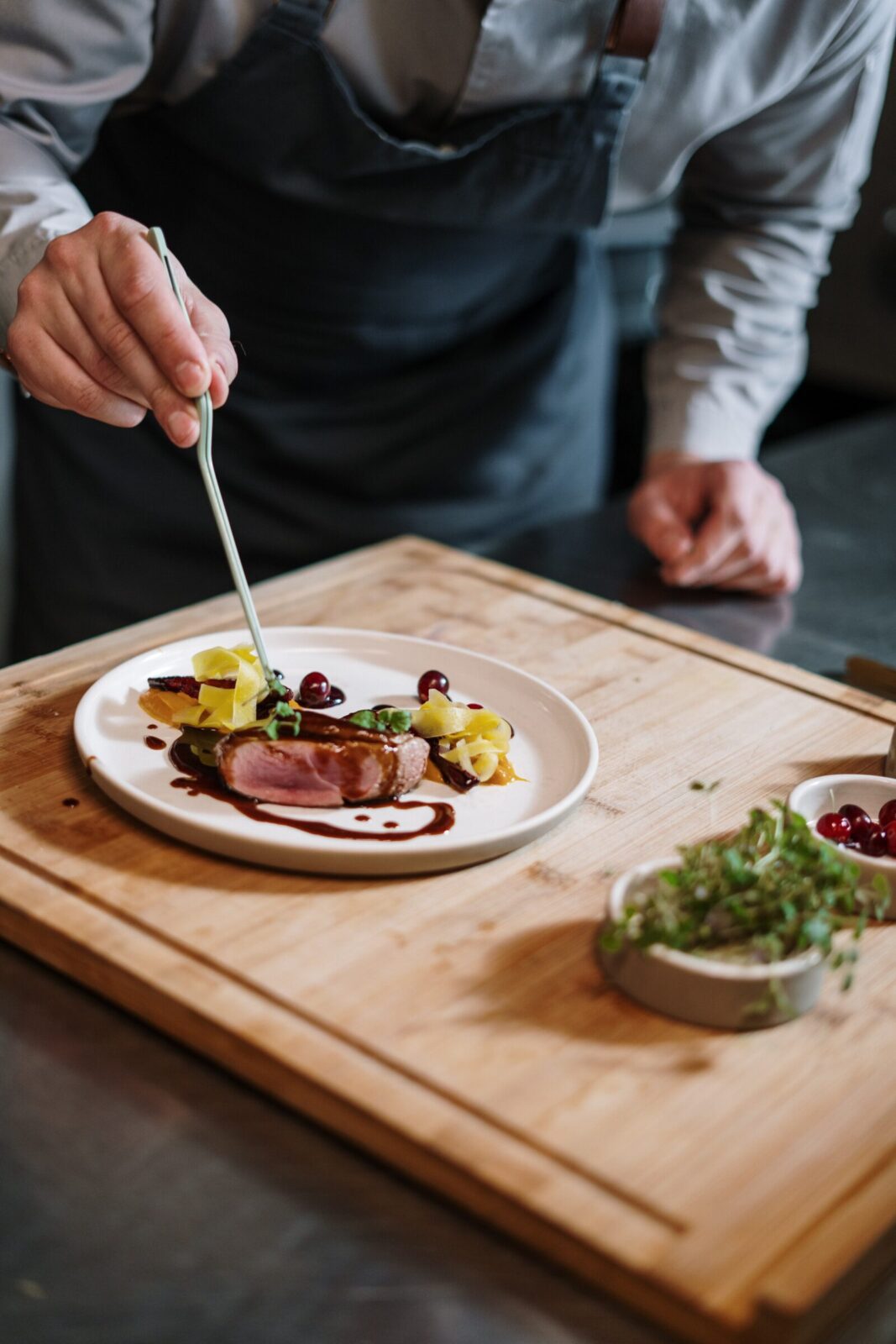
Be prepared to work harder than you ever have before
The road to becoming a great head chef is arduous. It requires dedication, tenacity, and a lot of hard work. You have to learn the ins and outs of the culinary world, which includes mastering complex recipes, learning food safety practices, and honing your kitchen skills.
Besides that, you will have to cope with harsh comments from guests, long hours in the kitchen full of hard labor, and sometimes tricky partnerships with sous chefs or pastry chefs. All these situations should be taken as learning opportunities but it is still very hard going for most aspiring chefs.
It will be much more than a challenging endeavor; it may seem overwhelming at times too. But if you’ve got the passion, drive, and determination needed to progress in this industry then there is no stopping you.
To make it to the top requires continual sharpening of your abilities through experience and a creative approach to every challenge thrown your way. Getting there can take time but know that any hard work you put in will pay off eventually so whatever may be standing in your way don’t give up!
Aim high
Aiming high is a concept that should never be underestimated. Often the key to success is an incredible amount of hard work and dedication. With this in mind, the words ‘be the hardest working member of the team at all times’ should be taken seriously.
Working long hours, missing out on holidays, and getting insufficient sleep are just some of the sacrifices that have to be made to reach your goals. Many successful people have immersed themselves in their craft and clocked up many hours trying to perfect their talent or acquire new skills.
With perseverance, sacrifice, and determination come true rewards and a feeling of great accomplishment.
It is important not to underestimate this saying but rather take it as motivation to push yourself further every day whether it’s with academic studies or a professional career.
We often give ourselves excuses for why we can’t work harder or why something isn’t possible yet the truth is that if we want something badly enough, there’s a will inside us all waiting to be ignited.
Believe in yourself, trust in your capabilities, and invest your time wisely – before you know it, you will have achieved those goals you didn’t think were ever possible!