


High Pressured Multi-Tasking
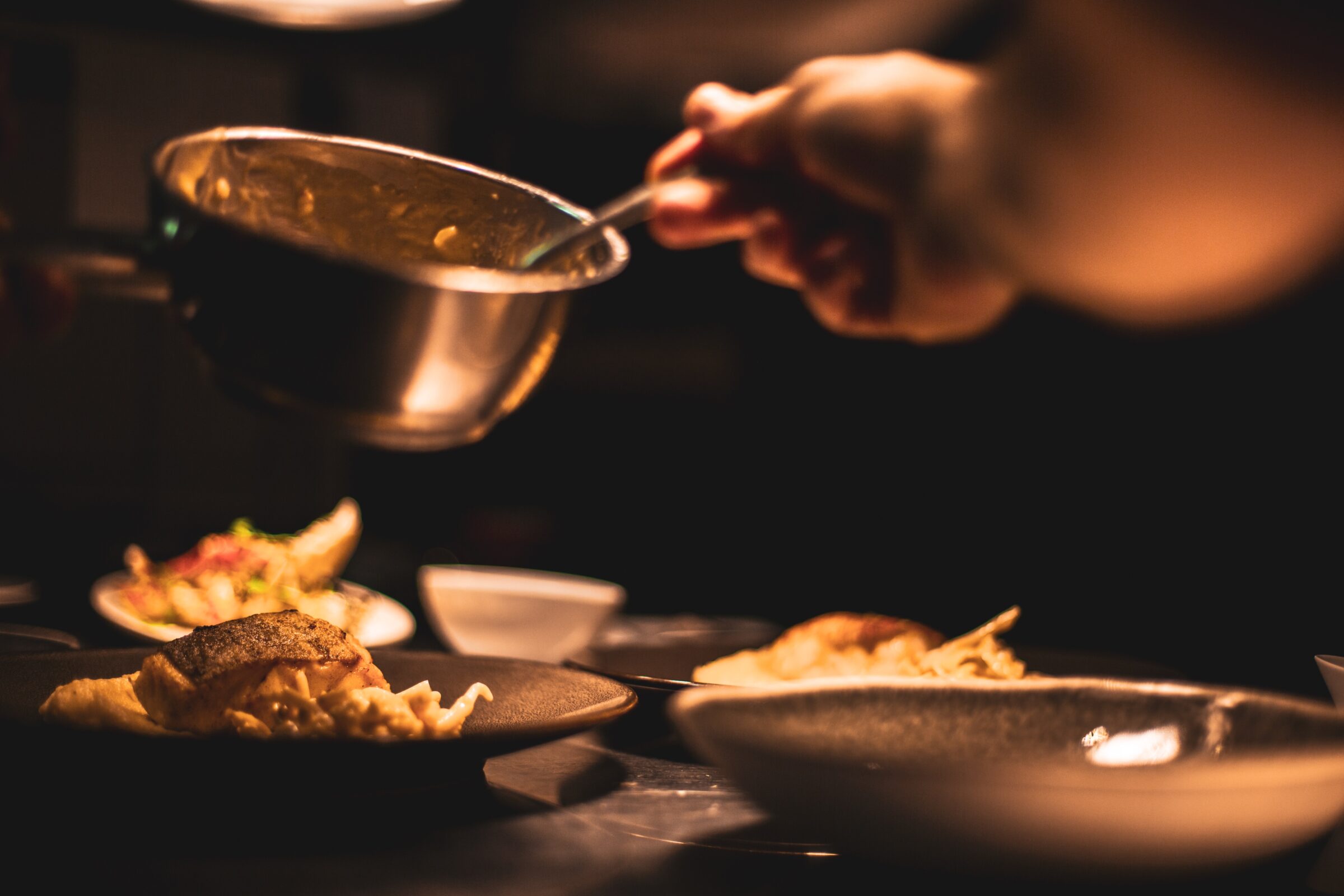
Anyone who has watched ‘Gordon Ramsay’s Kitchen Nightmares’ or similar will understand that being a head chef is a high-pressure role. Chefs are under pressure to prepare high-quality food quickly and manage other staff members in a hot and often crowded kitchen.
Chefs also need to keep to safety and sanitation procedures as well as plan menus and manage budgets.
During hectic times, chefs need to juggle several orders simultaneously whilst preparing delicious meals for each customer.
Physically Strenuous
Being a head chef is not for the faint-hearted. Chefs have to stay on their feet for many hours. They have to constantly lift heavy objects, such as large saucepans, and trays, and are routinely exposed to boiling liquids, hot grills, and ovens.
As a result, it is quite a risky profession in terms of minor injuries – chefs may regularly incur burns, grazes, trips, and falls.
Excellent Communication Skills
A head chef works closely with the rest of the kitchen team each day. They have to be able to communicate efficiently and effectively with other staff members.
The kitchen needs to work like a well-oiled machine, which is more likely when people get on with each other. Plus, a head chef working at a fine-dining establishment may occasionally be required to interact with diners.
Long Hours
What exactly does a week in the life of a head chef look like? You’ll generally have to work shifts which require good time management and can impede on a lively social life, not to mention being quite family-unfriendly in terms of childcare.
However, although many chefs (such as those in school canteens) work conventional hours, many do not. Chefs in fine-dining restaurants usually start work before the restaurant opens and leave long after service is finished. Don’t forget; chefs are often required to work during holidays and bank holiday weekends too.
Most successful chefs are passionate about food, and these aspects of the job are not enough to stand in their way.
A typical working week might include early starts and late nights, and you’ll have to work weekends at some point.
Conclusion
It isn’t the most straightforward job in the world, but it can be exceptionally rewarding for those who have a true passion for food. But, as the saying goes, ‘If you can’t stand the heat, get out of the kitchen!’.
As well as working in the kitchen, delegating jobs, and prepping food, you’ll have to complete admin and office-based tasks from time to time. For example, you’ll need to plan menus and set restaurant budgets.
However, the majority of the time will be spent working in a high-pressure environment. Are you ready for the challenge, as it isn’t going to be an easy ride?